

Using Tilt & Gravity for Better Patient Outcomes
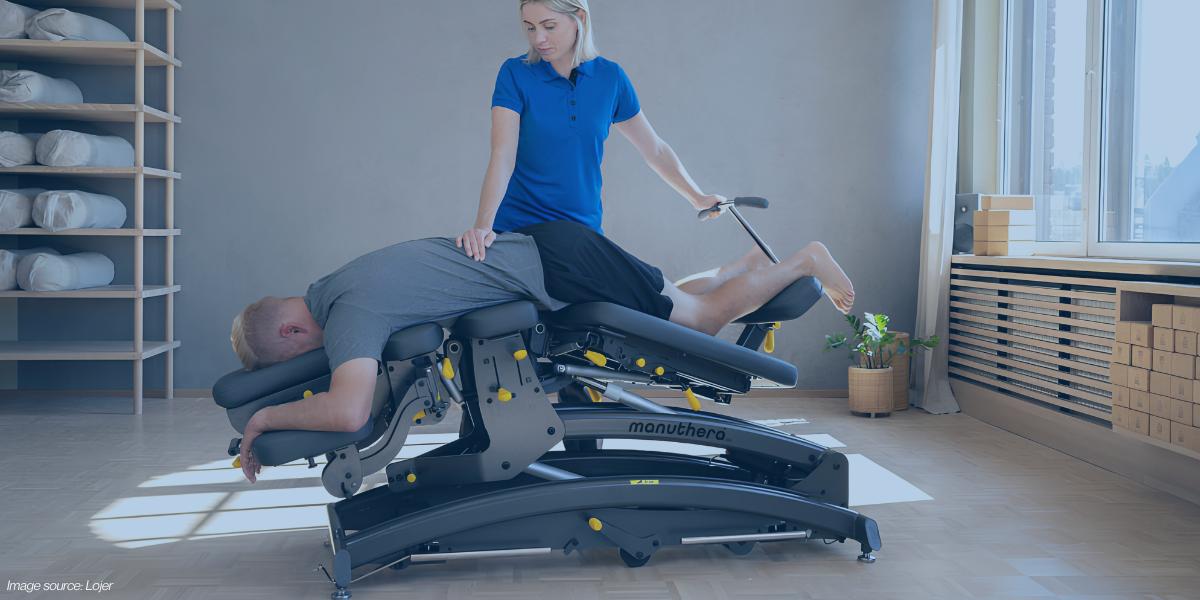
Modern physiotherapy and manual therapy increasingly rely on smarter positioning techniques to improve outcomes while reducing strain on both patients and clinicians. One of the most effective yet often underutilised approaches is the use of tilt and gravity to support treatment delivery.
What Does Tilt & Gravity Mean in Treatment?
Tilt and gravity positioning involves adjusting the treatment table to use natural body weight and controlled angles to assist movement, mobilisation, and positioning. Instead of relying solely on manual force, clinicians can use the table to:
- Support patient positioning with minimal effort
- Encourage natural joint movement
- Reduce resistance from muscle guarding
By working with the body rather than against it, tilt and gravity create a more efficient and controlled treatment environment.
Why Tilt & Gravity Improve Patient Outcomes
Traditional flat treatment surfaces require clinicians to manually position and stabilise patients, which can limit precision and increase physical demand. Incorporating tilt and gravity allows for more refined, adaptable treatment approaches.
Reduced Muscle Guarding
Gentle positioning through tilt reduces the need for forceful handling. Patients are more likely to relax, allowing for smoother mobilisation and more effective treatment.
Improved Treatment Precision
Controlled angles enable clinicians to target specific structures more accurately. Small adjustments in tilt can significantly improve access and positioning for both assessment and treatment.
Enhanced Patient Comfort
Patients feel more supported and stable when the table moves with their body. This improves overall comfort and can lead to better engagement during treatment sessions.
Less Physical Strain for Clinicians
Using gravity reduces the need for lifting, repositioning, and sustained force. This helps clinicians maintain better posture and reduces fatigue over time.
Clinical Applications
Tilt and gravity positioning can be applied across a wide range of treatment scenarios:
- Spinal Treatment: Supporting flexion-based techniques and decompression
- Soft Tissue Therapy: Allowing deeper access with less resistance
- Patient Transfers & Positioning: Improving safety and ease of setup
Supporting Efficient, Modern Practice
As clinical environments become more focused on efficiency and patient-centred care, tools that reduce effort while improving outcomes are essential. Tilt and gravity positioning enable clinicians to deliver high-quality treatment with greater consistency and less physical demand.
- Improved workflow efficiency
- Better patient experience
- More consistent clinical results
A Smarter Way to Position Patients
By integrating tilt and gravity into treatment, clinicians can move beyond static setups and embrace a more dynamic, responsive approach to care. This not only enhances treatment precision but also supports long-term sustainability for practitioners.
Looking to enhance your clinical practice?
Discover how advanced treatment systems like the Manuthera 242 can support tilt and gravity positioning for improved patient outcomes.