

Static vs Dynamic Treatment Tables: What’s the Difference?
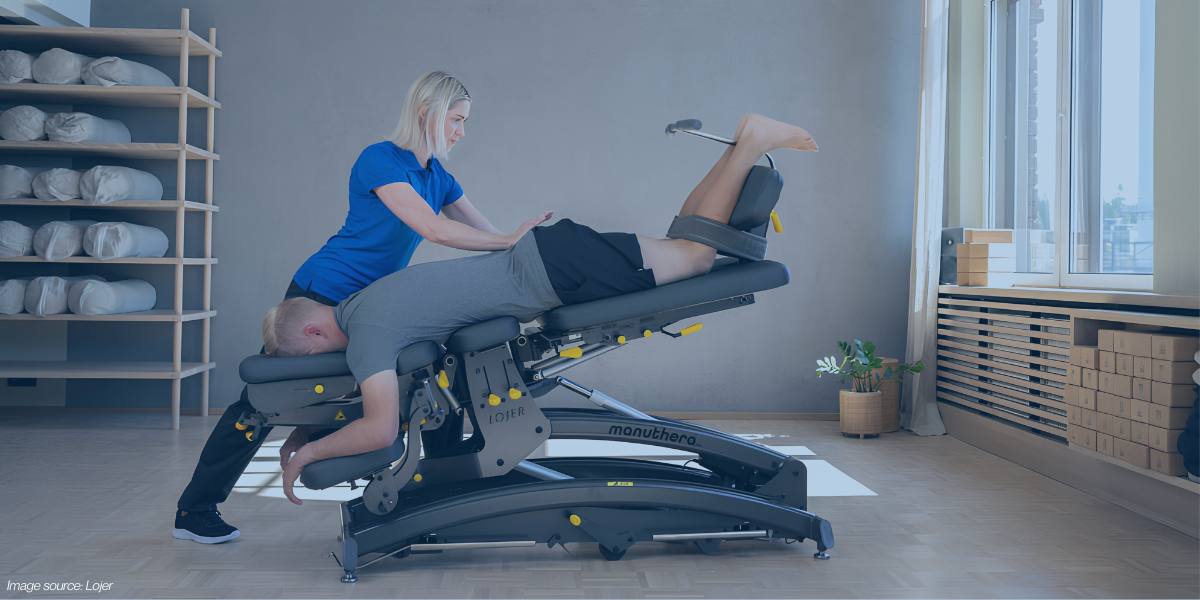
Choosing the right treatment table is a critical decision for any physiotherapy or clinical environment. While traditional static tables have long been the standard, modern dynamic treatment tables are transforming how clinicians deliver care. Understanding the differences between the two is key to improving both patient outcomes and clinical efficiency.
What is a Static Treatment Table?
A static treatment table is a fixed or minimally adjustable surface designed to support patients during assessment and treatment. While some models allow height adjustment, the table itself does not move dynamically with the patient.
- Flat or segmented design
- Limited positioning capabilities
- Relies heavily on manual patient positioning
Static tables are simple, reliable, and widely used, but they can limit flexibility when treating more complex conditions.
What is a Dynamic Treatment Table?
Dynamic treatment tables are designed to move with the patient, offering multi-directional adjustment and advanced positioning capabilities. These tables allow clinicians to integrate movement directly into treatment.
- Multi-axis movement (including tilt, rotation, and flexion)
- Precise patient positioning
- Supports advanced treatment techniques
By enabling controlled movement, dynamic tables provide a more adaptable and responsive treatment surface.
Key Differences Between Static and Dynamic Tables
Flexibility & Movement
Static tables offer limited adjustability, requiring clinicians to manually reposition patients. Dynamic tables allow movement in multiple directions, improving adaptability.
Treatment Precision
Dynamic tables enable more precise positioning, allowing clinicians to isolate specific joints or muscle groups for more effective treatment.
Patient Comfort
Dynamic tables move with the patient, improving support and reducing discomfort compared to static positioning.
Clinician Ergonomics
Dynamic tables reduce lifting and repetitive strain, helping clinicians maintain better posture and reduce fatigue.
When is a Dynamic Table Most Beneficial?
Dynamic treatment tables are particularly valuable in clinical environments that require advanced techniques and frequent repositioning.
- Spinal treatment: Flexion, rotation, and decompression techniques
- Manual therapy: Improved mobilisation and tissue access
- Rehabilitation: Better positioning and patient support
Supporting Modern Clinical Practice
Dynamic treatment tables provide clinicians with the tools to deliver more precise, comfortable, and efficient care.
- Greater treatment versatility
- Improved patient experience
- Reduced physical strain
Choosing the Right Approach
While static tables remain suitable for basic applications, dynamic treatment tables offer clear advantages where precision, flexibility, and outcomes matter most.
Looking to upgrade your treatment setup?
Discover how advanced dynamic treatment systems like the Manuthera 242 can transform your clinical approach.