

How 3D Movement Enhances Spinal Treatment
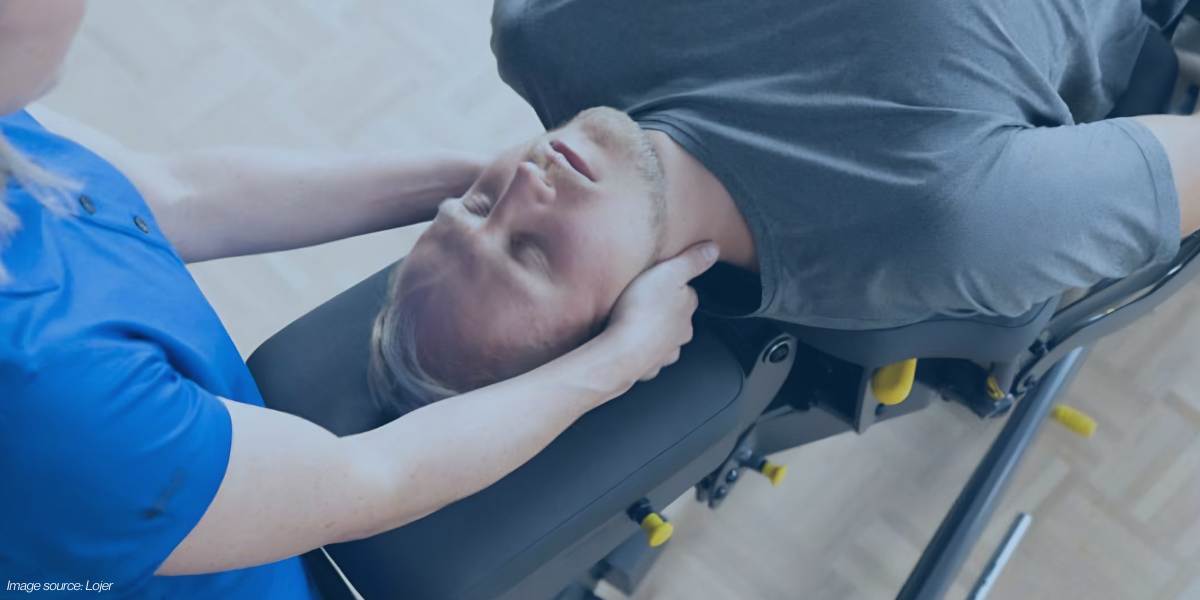
Modern manual therapy is evolving, with clinicians increasingly seeking more precise, effective, and ergonomic ways to treat patients. One of the most important advancements in treatment table technology is 3D movement, which is transforming how spinal conditions are managed in physiotherapy and manual therapy settings.
What is 3D Movement?
3D movement refers to the ability of a treatment table to move in multiple directions simultaneously, allowing clinicians to combine:
- Flexion and extension
- Lateral flexion (side bending)
- Rotation
Unlike traditional static therapy couches, this dynamic functionality enables the table to adapt to both the patient’s anatomy and the clinician’s technique.
Why 3D Movement is Important for Spinal Treatment
The spine does not move in a single plane. Most dysfunctions involve a combination of movement restrictions, muscle tension, and joint limitations. 3D movement allows clinicians to address these complexities more effectively.
Targeted Treatment Precision
With 3D positioning, clinicians can isolate specific spinal segments and apply mobilisation techniques with greater accuracy. This is particularly beneficial when treating lumbar, thoracic, and cervical dysfunctions.
Improved Access to Deeper Structures
Dynamic positioning allows better access to deeper tissues, making soft tissue therapy and mobilisation more effective. Clinicians can reach areas that are difficult to treat on a flat, static surface.
Enhanced Patient Comfort
Instead of forcing the patient into position, the table moves with them. This reduces muscle guarding and improves relaxation, leading to more effective treatment sessions.
Reduced Physical Strain for Clinicians
3D movement reduces the need for manual repositioning and excessive force, helping clinicians maintain better posture and reduce fatigue during treatment.
Clinical Applications
3D movement technology supports a wide range of spinal treatment techniques:
- Lumbar Spine: Flexion distraction, decompression and lower back pain treatment
- Thoracic Spine: Mobility improvement and rotational techniques
- Cervical Spine: Precise positioning for traction and mobilisation
Supporting Better Outcomes
By integrating movement into the treatment surface, clinicians gain greater control and flexibility. This leads to:
- More accurate treatment delivery
- Improved patient comfort
- Enhanced mobility and recovery outcomes
For clinics, it also means being able to offer more advanced treatment options and differentiate from standard therapy services.
A Smarter Approach to Manual Therapy
As physiotherapy and rehabilitation continue to advance, static treatment setups are becoming increasingly limited. 3D movement represents a more intelligent, responsive approach to spinal care, supporting both clinical precision and patient-centred treatment.
Looking to enhance your clinical practice?
Discover how advanced treatment systems like the Manuthera 242 can improve precision, comfort and patient outcomes.