

Cervical Traction Guide Using the Manuthera 242
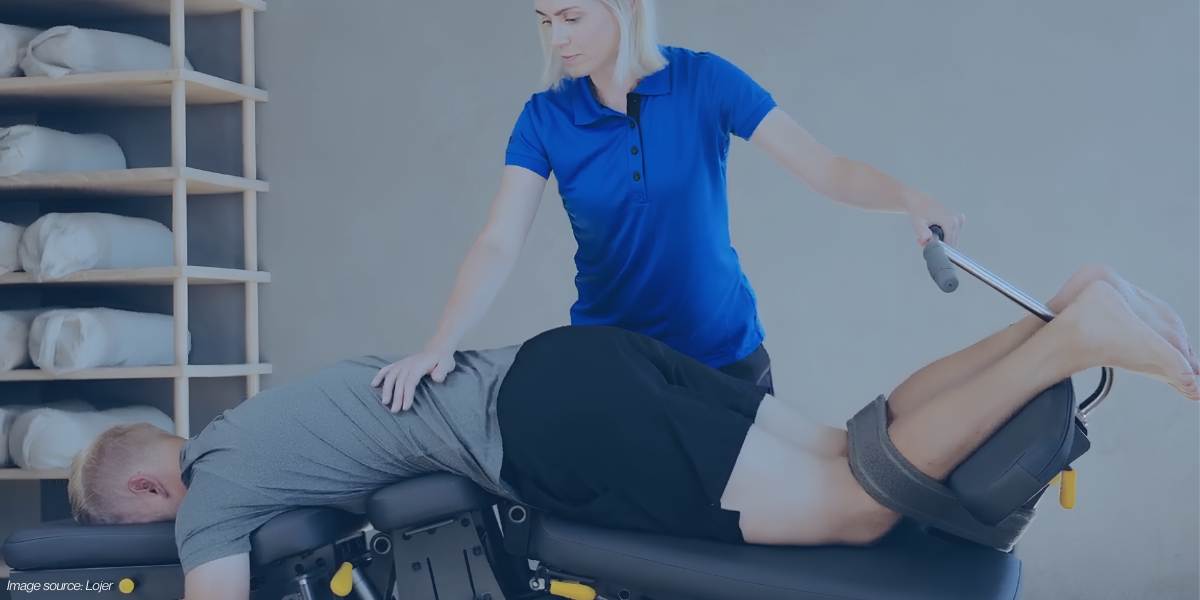
Cervical traction requires accuracy, comfort and controlled patient positioning. The Manuthera 242 supports cervical treatment through its adjustable head section, traction capability and dynamic positioning functions, helping clinicians work with greater precision while maintaining patient comfort.
Why Cervical Traction Matters
The cervical spine is a sensitive and highly mobile area. When stiffness, compression or muscular tension affects the neck, patients may experience discomfort, restricted movement and symptoms extending into the shoulders or upper back.
Using the Manuthera 242, clinicians can position the head and neck more accurately, creating a stable setup for controlled cervical traction and manual therapy techniques.
Step 1: Prepare the Patient and Table
Begin by adjusting the Manuthera 242 to a comfortable working height. Position the patient securely and ensure the head, neck and upper thorax are well supported before treatment begins.
- Adjust the table height for clinician posture
- Ensure the patient is relaxed and supported
- Check that all relevant sections are secure before applying traction
Step 2: Optimise Cervical Positioning
The Manuthera 242 head section allows clinicians to fine-tune the patient’s cervical position before traction is applied. Small adjustments to flexion, extension or lateral positioning can improve comfort and help target the correct treatment area.
This controlled setup is particularly useful when working with patients who are guarded, sensitive or limited in neck movement.
Step 3: Apply Controlled Traction
Once the patient is positioned correctly, cervical traction can be introduced gradually. The Manuthera’s traction capability allows the clinician to apply a controlled decompressive force while keeping the patient supported throughout the treatment.
Traction should be applied progressively and monitored carefully, with attention to comfort, symptom response and ease of movement.
Step 4: Use Lateral Flexion Where Appropriate
For patients with one-sided stiffness or restriction, lateral flexion can help improve treatment specificity. The Manuthera 242 allows clinicians to combine traction with precise head positioning, supporting a more targeted approach to cervical treatment.
- Traction: helps reduce compressive tension
- Lateral flexion: improves side-specific access
- Fine positioning: supports more accurate clinical application
Step 5: Monitor Patient Response
Throughout the session, continually assess the patient’s comfort and response. Cervical traction should never feel forced. Small changes in angle, support or traction level can significantly affect treatment quality.
- Monitor comfort and relaxation
- Check for reduced guarding or tension
- Adjust positioning gradually as needed
Step 6: Reassess Movement After Treatment
After traction, reassess cervical range of motion, comfort and symptom response. This helps determine whether the positioning and traction approach has improved mobility or reduced restriction.
The ability to make controlled adjustments on the Manuthera 242 allows clinicians to refine treatment over time and tailor the approach to each patient.
Benefits of Using the Manuthera 242 for Cervical Traction
The Manuthera 242 provides more than a standard treatment surface. Its adjustable head section and dynamic positioning capabilities support safer, more controlled and more comfortable cervical treatment.
- Precise cervical positioning
- Improved patient comfort and support
- Controlled traction application
- Reduced physical strain for the clinician
- Greater adaptability for different patient presentations
A More Controlled Approach to Cervical Treatment
Cervical traction is most effective when positioning, support and movement are carefully managed. By using the Manuthera 242, clinicians can deliver cervical traction with greater control, helping improve patient comfort and supporting more precise treatment outcomes.
Looking to support more advanced cervical treatment?
Discover how the Manuthera 242 can help clinicians deliver precise, comfortable and controlled cervical traction techniques.